By Steve Conway – 16/07/2025 – Filmmaker
When people talk about making a no-budget film, they usually talk about the challenges of getting it made.
The hustle. The clever workarounds. The late nights, the favours, the creative fixes.
What they don’t talk about is what happens after.
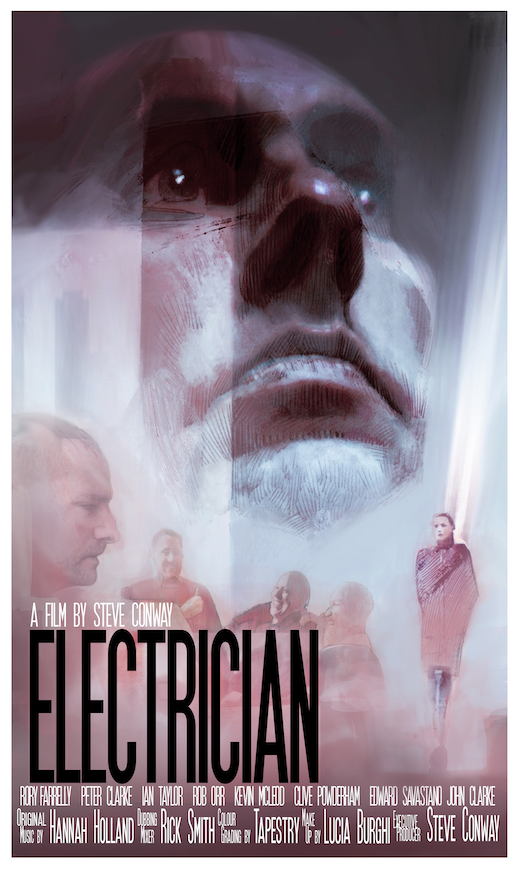
My film took over five years from concept to completion. Not because it was some huge, sprawling production, but because there was no funding and made almost entirely outside of the regular “system”. Every part of the process, writing, pre-production, shooting, editing, post, had to fit around people’s lives, mine included. That meant endless delays, compromises, and constantly adapting. The project consumed everything.
To see it through, I had to become someone capable of doing a lot. I sharpened the best parts of myself, discipline, ingenuity, focus, but also leaned heavily into much darker traits: selfishness, obsession, isolation. I stopped nurturing other areas of my life, because the film needed everything from me.
At the time, that felt like the right trade. Necessary, even. Like sacrifice for something meaningful.
But what I didn’t realise, what no one warned me about, was how hard it would be to find myself again after it was finished.
You don’t just snap back. The habits, the mindset, the tunnel vision, it all lingers. And when the film is finally done and the dust settles, you’re not standing at the finish line feeling victorious. You’re standing in the wreckage of everything you put on hold.
The truth is, while the film was slowly coming to life, other parts of my life were slowly falling apart. Career momentum, relationships, financial stability, mental health, they don’t pause for you. They quietly erode in the background. And when the film ends, that erosion catches up.
No one talks about that part. The re-entry. The emotional crash. The strange identity crisis that follows when a massive creative project, something that became your entire world, is suddenly over. You’ve spent years being one version of yourself, and now that person isn’t needed anymore.
And it’s jarring. It’s not something you can prepare for easily, because you don’t foresee it. You’re too busy surviving the day-to-day of making the thing to consider what happens after.
Here’s the thing: to a certain degree my film did what I’d always hoped it would. It’s been shown several times on UK television, picked up by multiple streaming platforms, and since going on YouTube eight months ago, it’s been quietly building a huge audience.
But I still had to live through the fallout. The creative success didn’t cancel out the personal cost.
That’s why I believe we need to talk more openly about the emotional and personal cost of projects like these, especially in indie and no-budget filmmaking. Because there’s a romanticism around creative obsession that hides the real price it can carry if you’re not careful.
I don’t regret making the film. But I do wish I’d been more aware of what I was trading—not just while making it, but after. I wish someone had prepared me for the work of putting your life back together once the credits roll.
 Steve Conway Films