As the saying goes, sound is 50% of your film – so treat it with respect
The one area I was always nervous about was audio. I knew I couldn’t rely on post-production to fix it—I had to get it right on set and go into post with the strongest possible recordings. My experience as a videographer, capturing and editing dialogue for promo videos and interviews, helped a lot, but I still spent a significant amount of time researching best practices for sound recording before filming.
Sound is essentially half the film. I can’t stress enough how seriously I took it, especially given the tools I had. I was shooting on a Canon 5D Mark II, which isn’t designed for high-quality audio, so everything had to be recorded externally onto a Zoom H4n audio recorder.
My process was straightforward. I ran all microphones into the recorder, monitored live through headphones, and kept audio peaks around -6dB. I recorded in 24-bit WAV at 48kHz, always prioritising clean, usable sound over anything else. I also captured onto a single stereo track, even in scenes where multiple people were speaking at the same time.
At the time, I wasn’t even aware of techniques such as limiters, low-cut filters, dual-system safety recordings, or splitting dialogue onto separate tracks for each speaker. There was also no dedicated on-set sound mixer involved.
It was, quite literally, a case of plugging a microphone into the recorder, setting levels carefully, and rolling.
My kit was simple:
- Zoom H4n recorder
- RØDE shotgun microphone
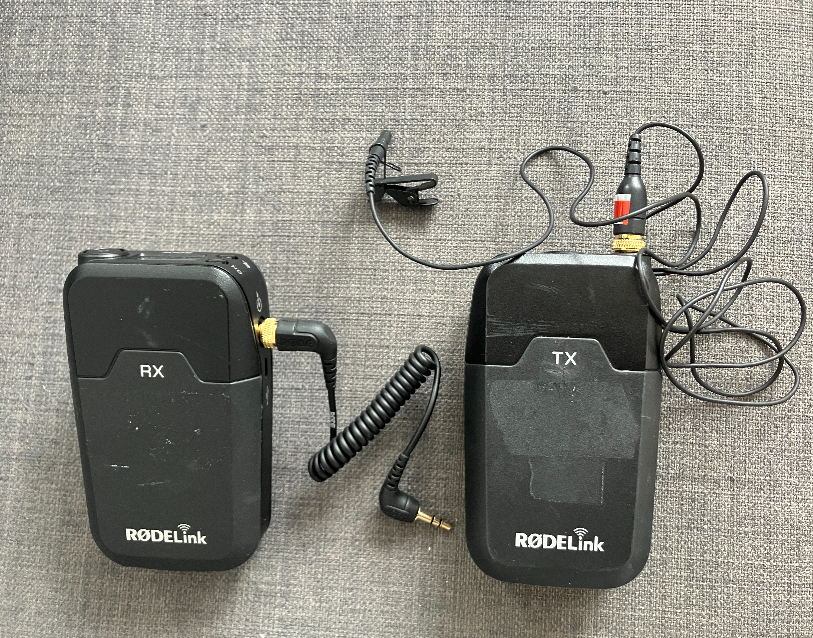
- RØDE lavalier system
- Monitoring headphones
- Long extension cable with monopod pole
And that was it.
I rotated between three setups depending on the scene:
1 – Shotgun mic mounted on or near the camera, aimed toward the actors’ mouths—sometimes sacrificing framing for better sound.
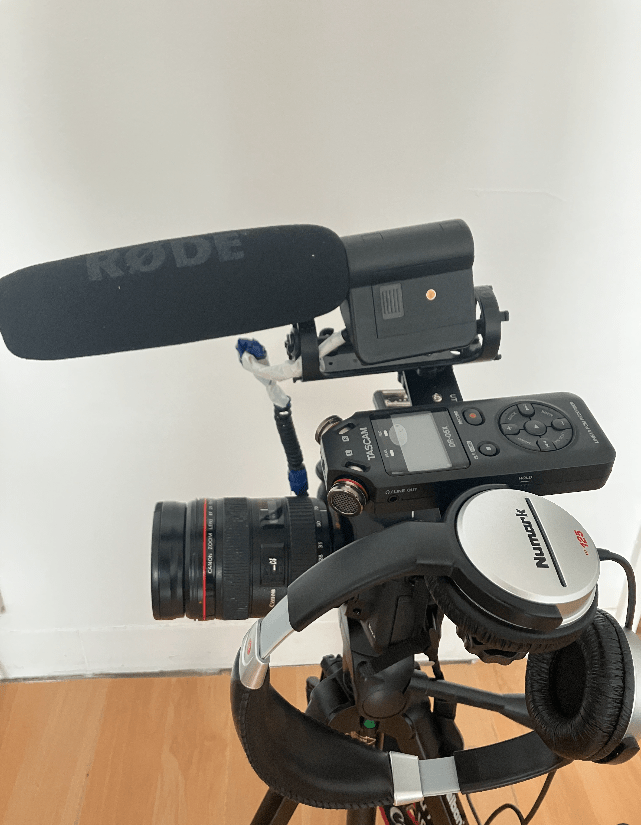
2 – Mic on a monopod or boom stand, clamped when I didn’t have an operator, with constant level monitoring.
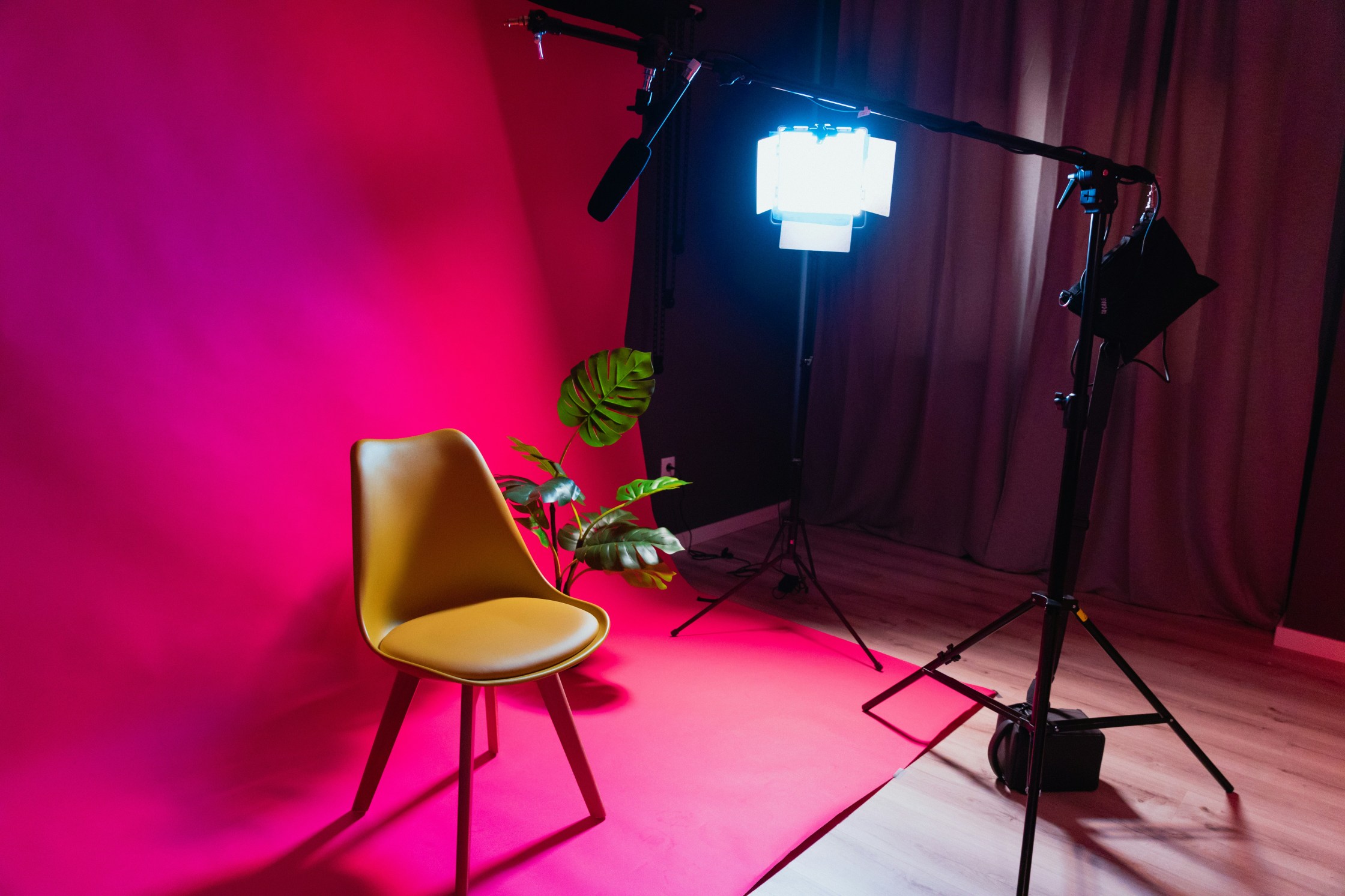
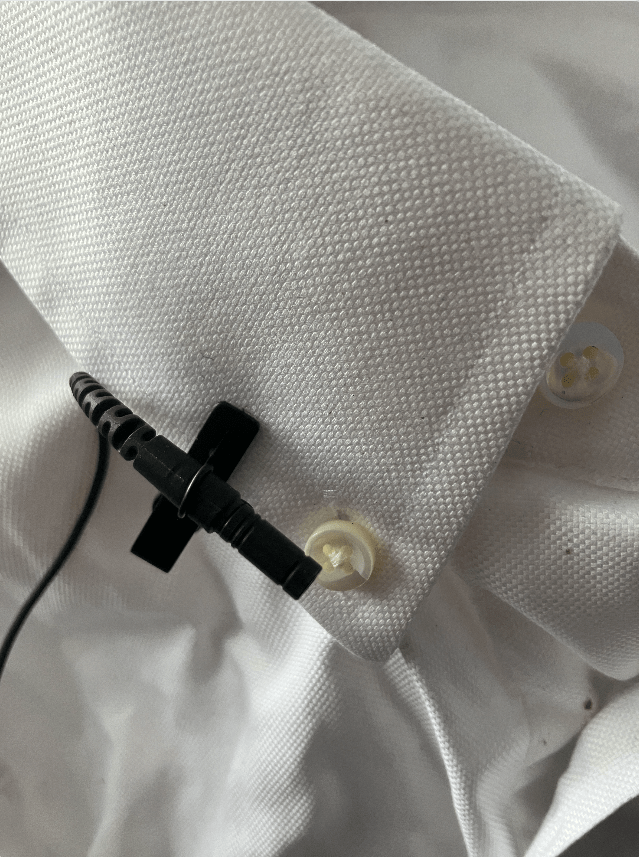
3 – RØDE lavalier microphones, hidden on or near the actors, allowing me to shoot from a distance when needed.
Obviously, a professional sound recordist with access to additional equipment would approach things differently. In post-production, I did bring in a sound engineer to help refine the final mix. But even then, the foundation had to be solid—there’s only so much you can fix if the original recordings aren’t clean.
It wasn’t the most ideal or technically advanced setup, but it was more than capable of doing the job. That same audio ended up in a film that was broadcast on UK television, streamed on major platforms, and screened in a large cinema in London—without any technical issues.
Where you can buy similar equipment?
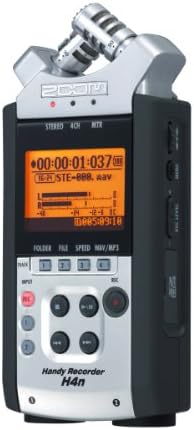
Zoom H4n audio recorder. This is the exact recorder I used to capture all of the sound for my film and I can’t recommend it enough. It’s a small but seriously powerful recorder—I probably wasn’t even scratching the surface of what it can do back then. Please note this thing eats through AA batteries fast! : (Affiliate links) Recorder: https://amzn.to/4tTD1bR
Memory card: https://amzn.to/49rD7Pq
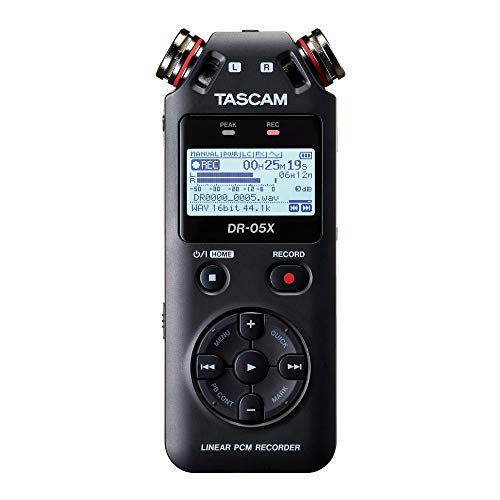
Tascam. This is another recorder I discovered much later on and continue to use today. It’s simpler and less powerful than the Zoom H4n (cheaper in price as well), but still a fantastic, reliable option—especially for online content and quick setups where you just need clean audio without overcomplicating things. Also battery life lasts a lot longer than Zoom H4n: (Affiliate links) Recorder: https://amzn.to/48LyL5E
Memory card: https://amzn.to/4f2fPDq
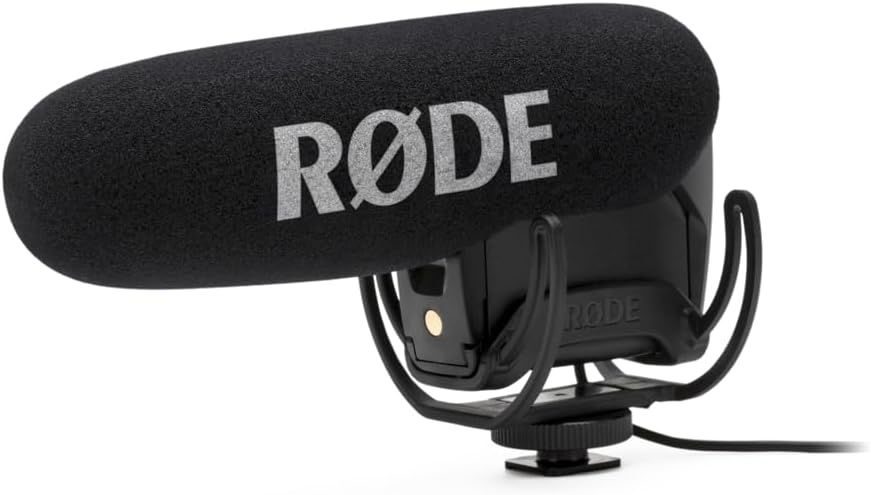
Do not rely on the inbuilt mic’s of the audio recorders! Practically all of the audio for my film was captured using a RØDE shotgun microphone similar to this one – plugged into the Zoom H4n. They’re great for run-and-gun shooting—just plug in (to Zoom or Tascam above), point at your subject (close to mouth as possible), and you’ve got solid dialogue capture without a complicated setup. I even doubled this up as a boom on the end of a monopod pole at times: (Affiliate link) https://amzn.to/4d9sMcc
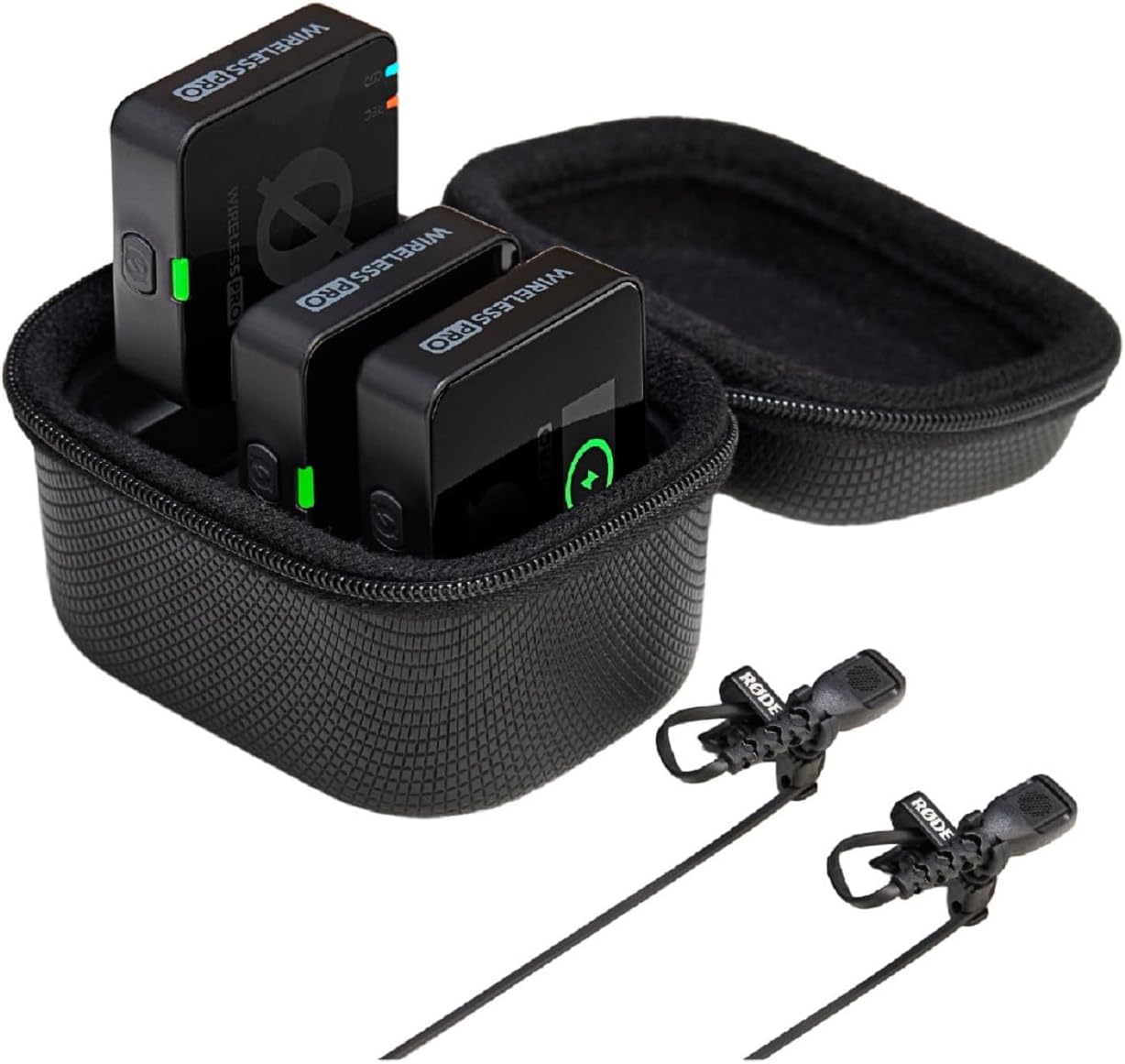
At times, I also used RØDE wireless mic systems, which made a big difference—especially when shooting from further away or when I needed more creative flexibility. Because the lavalier mic sits close to the subject’s mouth, you’re still capturing strong, clear audio. It removes the hassle of cables and keeps things much more flexible on set. (Affiliate link) https://amzn.to/4eoY6py
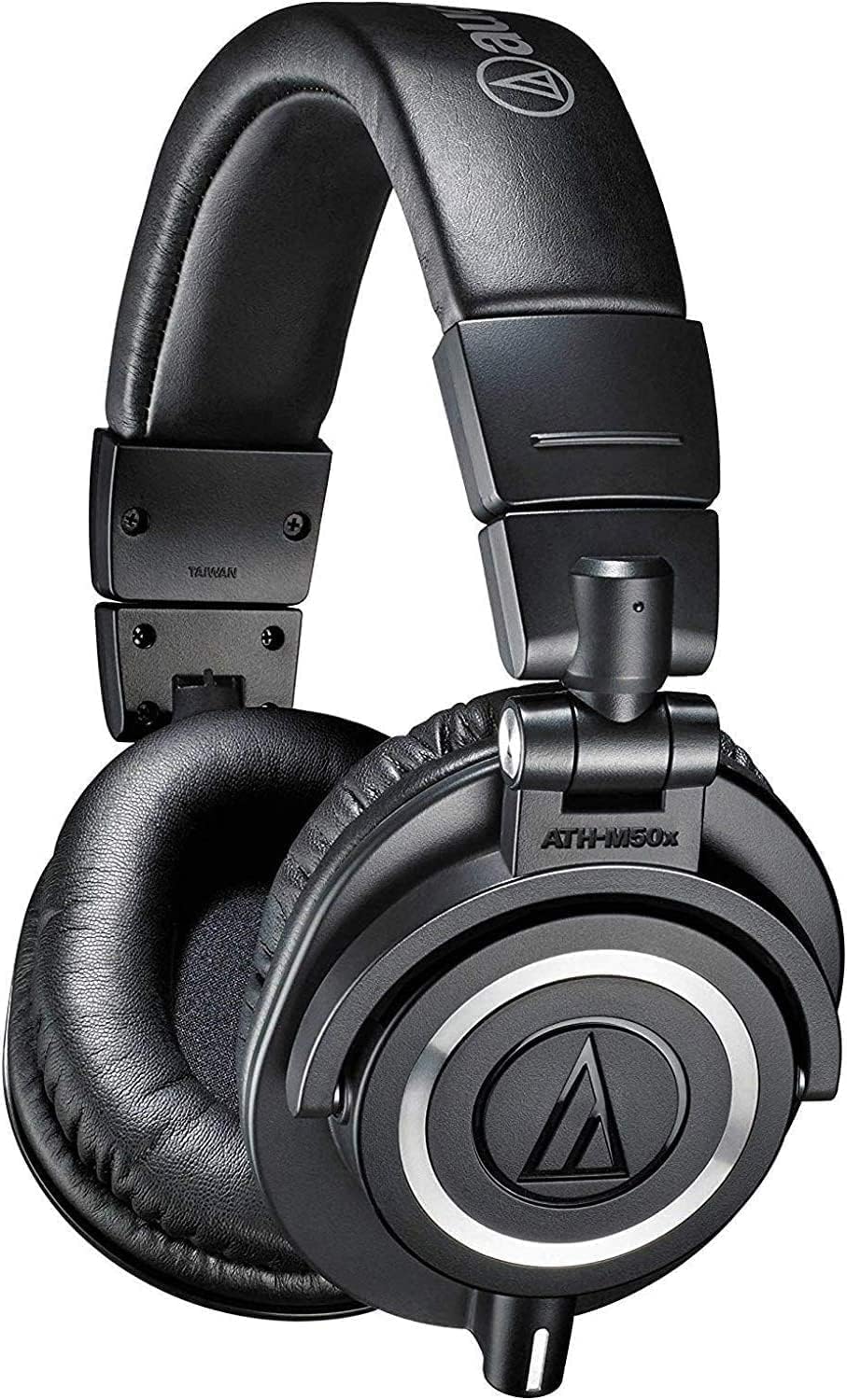
I would also suggest investing in some good headphones to use when capturing sound, to make sure you are hearing things clearly. Such as these: (Affiliate link) https://amzn.to/4tQBH9k
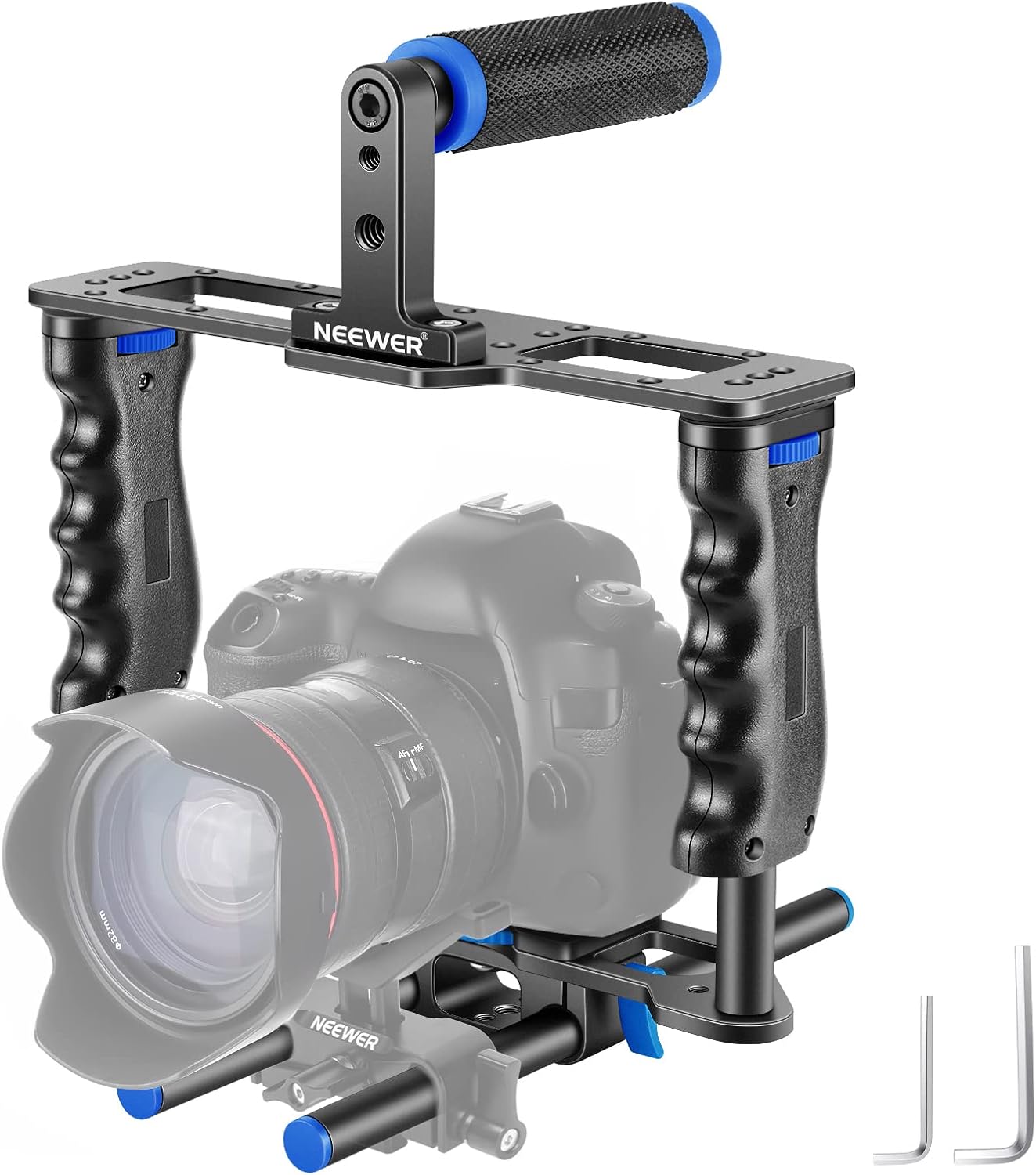
Looking back, one thing that would have helped is using a cage to mount everything more securely on the tripod and organise the camera and audio gear more efficiently. It would have made assembling and managing the setup much easier—something I’ve since invested in: (Affiliate link) https://amzn.to/4dlKdaF
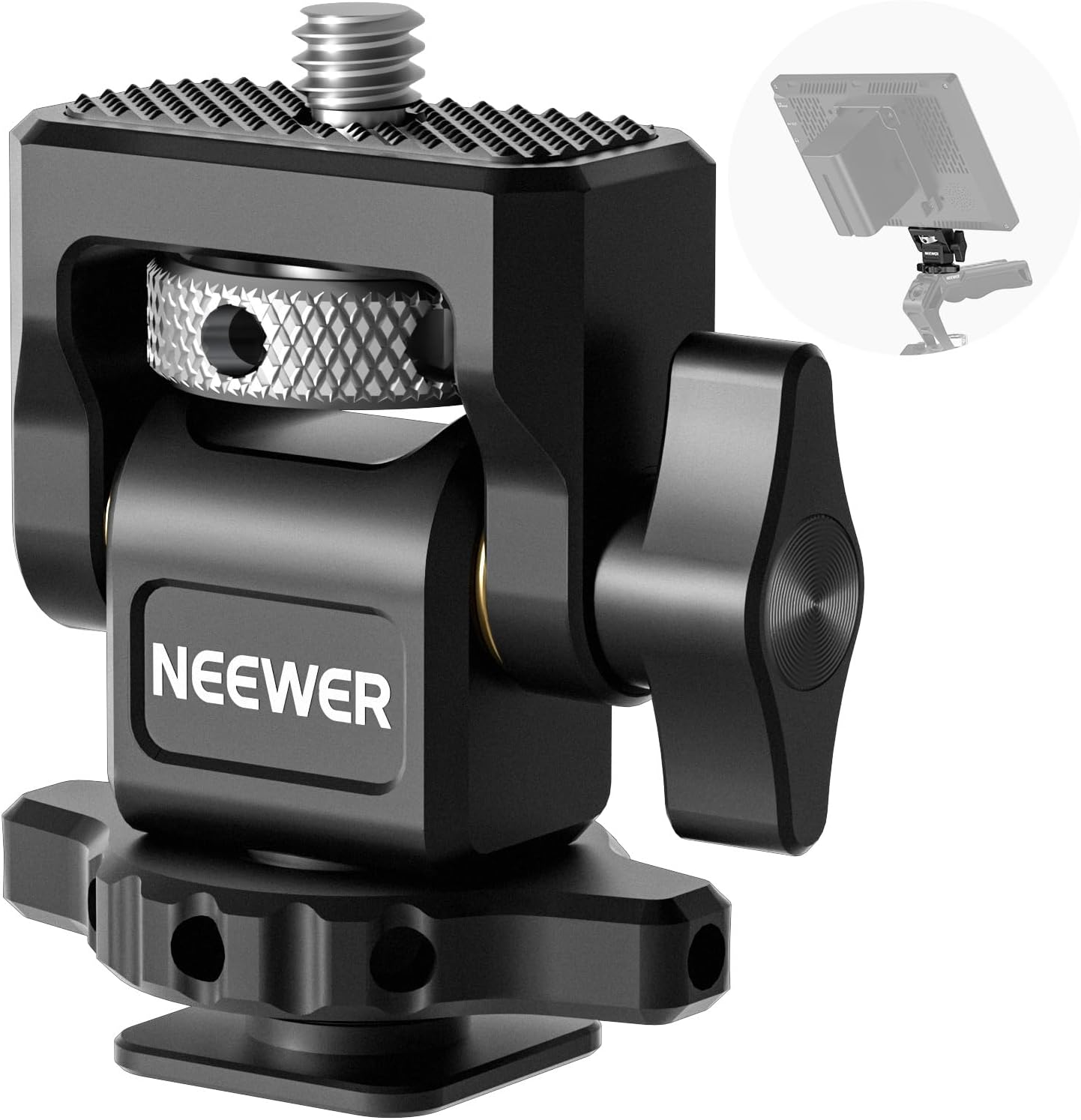
If you do decide to invest in a cage, these adapters and adjustable mounts can be incredibly useful for positioning the audio recorder so you can clearly see the monitor from different angles: (Affiliate link) https://amzn.to/4uxS9vq

Stuck on what film to actually make?
This step-by-step PDF helps you figure out the no-budget film you can actually make—based on your real-life locations, people, and resources.
No guesswork. No overthinking. Just a clear direction you can move forward with.
This guide is built for filmmakers who want to create something in the real world—using real locations, real people, and practical resources.
It focuses on developing a no- to micro-budget film idea that you can realistically bring to life—without relying on AI-generated content.
Find it HERE
 Steve Conway Films